

Choosing a timber floor contractor: How to decide Who Will Restore Your Timber Flooring?
Choosing a timber floor contractor is an important part of any home renovation or new residential or commercial building project. Timber flooring can be a significant investment, and using an inexperienced contractor to repair, sand or refinish your floors can lead to costly and disappointing results.
If you want to minimise these risks, start by choosing an experienced and suitably skilled timber floor contractor. Word-of-mouth recommendations and references can be useful when narrowing down your options, but they should not be the only factors you consider.
Who Will Be Carrying Out the Work?
In my experience, this is one of the most important questions to ask a potential timber floor contractor.
Some larger flooring companies have separate sales and installation teams, meaning the person providing the quote may not be the person who will actually carry out the work. You may not meet the tradesperson responsible for your floor until the day the project begins.
Timber floor repairs, sanding and refinishing require practical skills and experience. Solid and engineered timber floors and decking can vary considerably in their construction, condition and requirements, so the person carrying out the work should have a thorough understanding of the flooring system and the finishing products being used.
At Island Floor Finishing, I am personally involved in every project. Work is completed either by me or, where additional assistance is required, with the help of a trained assistant. View my about us page for more information on my flooring background and experience.
Floor Sanding and Finishing
If your floor requires full sanding and resurfacing, there are several important questions you should ask to establish whether a timber floor contractor has the experience, equipment and knowledge required to complete the work to a professional standard.
Consider asking:
- How many years of experience do you have sanding and refinishing timber floors?
- Who will actually carry out the sanding and finishing?
- What sanding equipment do you use?
- What types of timber flooring have you worked with?
- What finishes do you recommend, and why?
- How many coats of finish will be applied?
- How will the floor be prepared before finishing?
- How long will the project take, and when can the floor be walked on or furniture returned?
The answers to these questions can help you understand what is included in the proposed service and whether the contractor has the practical experience required for your particular floor.
What Machinery Will You Use?
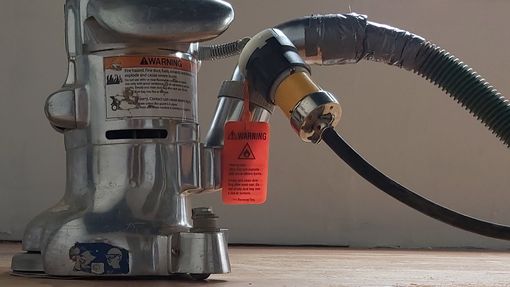
Ask potential floor contractors what type of sanding and polishing equipment they use. Professional commercial sanding and dust-control equipment can provide greater consistency and significantly reduce airborne dust compared with basic rental equipment.
Timber floor sanding machinery is powerful, and using it incorrectly can cause irreversible damage such as uneven sanding, gouging, chatter marks and excessive removal of timber. Achieving a consistent result, particularly on older or damaged floors, requires experience, appropriate equipment and careful preparation.
What Finishes Do You Recommend and How Many Coats Will Be Applied?
There are many timber floor finishing systems available, including stains, coloured effects, water-based polyurethane, oil-based finishes and solvent-based conversion finishes. An experienced floor contractor should be able to explain the advantages and limitations of the products they recommend.
At Island Floor Finishing, I generally recommend modern water-based coatings for many projects because they offer excellent durability, low odour and relatively fast drying times. However, the most suitable finish depends on the timber species, the existing coating, the desired appearance and how the floor will be used.
A three-coat system, typically consisting of a sealer or primer followed by two top coats, is common for many topical floor finishes. However, this is not universal. Some penetrating oil systems are applied as a different system, while certain products are specifically designed for two-coat applications. Always follow the applicable manufacturer's instructions.
How Much Dust Will Be Created?
Some dust should be expected when sanding timber floors. However, the amount can vary considerably depending on the condition of the floor, the sanding process, the equipment being used and the effectiveness of the dust-control system.
Modern commercial sanding equipment with effective dust extraction can substantially reduce airborne dust compared with older or less suitable equipment. Before starting a project, I discuss dust expectations, preparation requirements and how the work may affect your home or business. Contact me to discuss your timber floor restoration project.
How Long Will the Job Take and What Guarantees Are Provided?
Timber floor sanding and refinishing involves several processes, including preparation, sanding, edging, Timber floor repairs where required, staining or sealing and the application of protective coatings. Depending on the size and condition of the floor, most projects will take approximately 2–6 days.
Drying and curing times are also important. For example, a three-coat finishing system may require multiple days to apply when the manufacturer's recommended drying and recoating times are followed. Be cautious of promises to completely sand and refinish a floor in a single day, as rushing the process can compromise the final result.
Some contractors also offer "sandless" systems as a lower-cost alternative to traditional floor sanding and resurfacing. These systems can be suitable in certain circumstances but will not provide the same result as fully sanding the timber back and resurfacing it. Island Floor Finishing does not offer or recommend sandless refinishing where full sanding and resurfacing is required.
Our timber floor sanding, refinishing and resurfacing projects are completed with professional care and in accordance with applicable manufacturer requirements and relevant ATFA industry guidance.
Do You Provide a Written Quote and Contract?
A written quote should clearly explain what work is included, the products and finishes being proposed, preparation requirements, costs and relevant terms and conditions.
At Island Floor Finishing, every project begins with an estimate or written quote that includes our terms of service. This provides clients with clear information about the proposed work and helps them prepare their home or business before the project begins.
A clear written agreement also helps avoid misunderstandings about the scope of work, expected results, timing and responsibilities of both the contractor and the client.
Contact me to discuss your next timber flooring project!