

How to Maintain a Finished Timber Floor
Caring for a finished timber floor can be quick and easy when you use the right products and follow a few simple maintenance practices. Regardless of the type of timber flooring or finish, regular cleaning and preventative care will help maintain its appearance and extend the life of the protective coating.
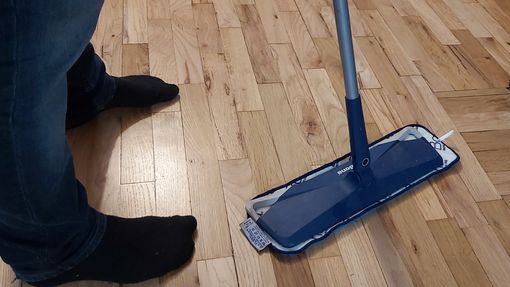
For everyday maintenance, regularly remove dust, sand and grit using a soft-bristle broom, microfiber dust mop or vacuum with a suitable soft-floor attachment. These abrasive particles can gradually wear the finish, particularly in high-traffic areas.
For heavily soiled or greasy floors, a suitable timber floor cleaning product can help remove surface contamination and product build-up.
At Island Floor Finishing, we provide specific care and maintenance recommendations for our floor sanding and restoration projects. These recommendations vary depending on the timber, coating and finishing system applied. Where specific manufacturer maintenance instructions are unavailable, the following guidelines provide general advice for newly finished and existing site- or factory-finished timber floors.
Newly Finished Timber Floors
Walking on the Floor
With many modern water-based finishes, light foot traffic may be possible after approximately 6 hours. However, drying and curing times vary between products and conditions. Island Floor Finishing will advise you when the completed areas can be used.
Furniture should generally not be returned for at least 24 hours, or as recommended for the particular finishing system.
Never drag or slide furniture, appliances or other heavy objects across a finished timber floor, regardless of its age. Lift items where possible or use suitable protective equipment when moving heavy objects.
We also recommend avoiding replacing rugs for approximately 1–2 weeks after finishing, unless otherwise advised. If the floor needs to be protected while other trades are working, use clean, non-abrasive protective coverings that are suitable for the particular floor finish.
Allow the Finish to Cure
Although a floor may be dry enough to walk on relatively soon after application, the coating continues to cure and harden for an extended period. Depending on the product and environmental conditions, full curing can take several weeks.
Treat a newly finished floor carefully during this period to minimise premature scratching, scuffing and marking.
Good ventilation can assist the drying process. Once the coating has sufficiently tacked off and the manufacturer's instructions permit, opening windows and doors and using fans can help improve air circulation.
General Timber Floor Maintenance Guide
- Remove dust and grit regularly. Vacuum or sweep your floor frequently using a soft attachment or microfiber mop. Grit and sand can act as an abrasive and accelerate wear.
- Use entrance mats. Place suitable walk-off mats at key entry points to help prevent sand, grit and other abrasive material from being brought onto the floor.
- Avoid excessive water. Do not wet mop a timber floor or allow standing water to remain on the surface. Excess moisture can damage the coating and may affect the timber. Clean spills promptly using a slightly damp cloth.
- Use a suitable timber floor cleaner. Do not use household cleaners, tile cleaners or products designed for vinyl and other floor coverings unless they are specifically recommended for your timber floor finish.
- Do not use acrylic waxes unless specifically recommended. Self-polishing acrylic products can build up on the surface, alter the appearance of the finish and make future recoating more difficult.
- Do not wax a polyurethane-finished floor. If the floor is becoming dull or showing increased wear, it may be time to consider a professional recoating before the protective coating becomes excessively worn.
- Use furniture protection. Fit suitable felt pads or protective glides beneath furniture legs to reduce scratching and scuffing. Check them regularly and replace them when worn or contaminated with grit.
- Avoid high-impact footwear. High heels, cleats and other footwear with concentrated contact points can dent timber flooring. Some rubber-soled footwear can also leave scuff marks when dragged across the surface.
- Keep pet claws trimmed. Regularly trimming your pet's claws can help reduce minor scratches and dents to the timber and finish.
- Clean spills promptly. Wipe up water, food, oils and other spills as soon as possible. Excessive moisture or contamination left on the surface can affect the appearance and condition of the finish.
- Move heavy furniture and appliances carefully. Never slide refrigerators, furniture or other heavy objects directly across the floor. Lift them where practical or use an appropriate dolly and protective coverings.
- Consider indoor humidity. Timber naturally responds to changes in temperature and relative humidity. Maintaining a relatively stable indoor environment can help minimise excessive seasonal movement, particularly during periods of very dry conditions.
When Should a Timber Floor Be Recoated?
Even a well-maintained timber floor will eventually show signs of wear. High-traffic areas, doorways and areas around kitchens and entrances generally experience the greatest wear.
A professional recoat or refinishing treatment can often restore the appearance and protection of a timber floor while the existing coating is still in reasonable condition. Addressing wear before the protective coating has completely deteriorated can help avoid the need for more extensive sanding and resurfacing.
If your floor is becoming dull, scratched or worn, contact Island Floor Finishing to discuss whether recoating or full sanding and refinishing is the most appropriate solution.
Timber Floor Cleaning Products
The appropriate cleaning product depends on the particular timber flooring and finishing system. We recommend discussing cleaning and maintenance products with us before using a new product on your floor.
For general cleaning, a slightly damp microfiber-style mop and warm water may be suitable for many finished timber floors. For deeper cleaning, we recommend using a timber floor cleaner specifically compatible with the finish applied.
We can provide advice on suitable cleaning and maintenance products for timber floors throughout the Northern Rivers region of NSW and surrounding areas.